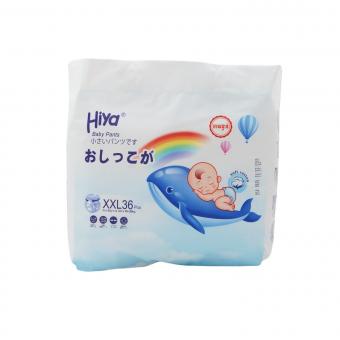
CONSUMER GOODS / PERSONAL CARE
The word "cotton" appears on an enormous number of face towels. It turns out to describe very different things.
Cover — soft white cotton-textile texture
A disposable face towel is an ordinary little object until you need one. There is a pack by the sink, another in a handbag, often a third near the baby's changing things. Light, cheap and used once, they have quietly replaced the damp reusable flannel in a great many bathrooms.
But "cotton tissue" is a looser label than it sounds. Two packs sitting side by side can feel much the same and still be made from different materials, sold under different claims and judged against different rules. If you want to know what you are actually wiping your face with, the front of the pack is the least useful place to look. Turn it over.
Cotton, "cotton", and everything in between
Strictly speaking, cotton tissue is made from natural cotton fibre bonded into a soft sheet by high-pressure water jets — a process called spunlacing. With little or no binder, the result is soft, low-linting and strong whether used dry or dampened. That combination is why it tends to turn up in baby care, postpartum kits and products aimed at sensitive skin.
Much of what is sold as a "soft towel" or "facial tissue" is something else. Viscose, polyester, lyocell and blends are common. None of these are unsafe — man-made fibres dominate the textile world and appear in clothing, medical dressings and hygiene products of every kind — but they behave differently. Viscose is soft and absorbent yet weakens when wet; polyester is tougher but holds less water; blends split the difference. In China the confusion has become common enough that consumer groups and regulators spell it out: "棉"柔巾 (cotton tissue) and "绵"柔巾 (chemical-fibre soft towel) are two different products, separated by one character.
What the rules actually look at
China covers soft tissues with the recommended standard GB/T 40276-2021 ("Soft Towels") alongside the mandatory hygiene standard GB 15979 for disposable hygiene products. The standard addresses pH, linting, absorbency, wet and dry strength, and flexibility for infant products. A separate national-standard project for "Pure Cotton Tissue" goes further: 100 percent cotton fibre made by spunlacing, explicitly excluding wipes soaked in lotion — a reminder that a dry cotton sheet and a wet wipe belong to different categories. What the standards do not do is police marketing language. They assess fibre content. Phrases such as "plant cotton" or "plant-based fibre" are not defined technical terms and have been flagged by Chinese consumer authorities as potentially misleading.
The same concern shows up elsewhere, though the paperwork differs. In the United States a dry wipe intended for skin cleansing is regulated by the FDA as a cosmetic; add a therapeutic claim and it moves toward drug approval. In the European Union, cosmetic wipes fall under Regulation (EC) No 1223/2009, which requires a Product Information File and CPNP notification before market access. From 4 January 2025, EU customs reclassified facial wipes under CN code 3307 90 00, treating them as cosmetic or toilet preparations. Different systems, one test: what the product is made of and what it claims to do matter more than how soft and white it looks.
Beyond the word "spunlace"
Look at enough packs and "spunlace nonwoven" starts to sound like a material. It isn't. It describes a bonding method — high-pressure micro-jets tangle fibres into a web — and the fibres themselves may be cotton, viscose, polyester or a blend. "Water-jet" tells you how the sheet was made; only the composition line tells you what it is.
A few numbers do carry useful information. Basis weight, measured in grams per square metre, reflects how much material goes into a sheet; typical dry wipes fall roughly between 35 and 70 gsm, with thicker ones feeling more substantial but costing more to ship. Linting — loose fibre left on the face or a screen — matters more than most buyers expect and is covered by standards such as GB/T 40276. Absorbency and wet strength decide whether a sheet holds together for cleansing or makeup removal. Embossed patterns, sometimes labelled pearl or EF texture, add surface area and gentle friction; they change the feel, not the fibre. So when a pack says "cotton" up front, it is worth checking the composition at the back: it may describe a blend, or a chemical fibre given a plant-sounding name.
Using one safely
For most people a disposable facial towel is a step up from a reusable cloth: a single-use sheet cannot carry yesterday's moisture or bacteria, which is why it suits sensitive, acne-prone or post-procedure skin. Soft, however, is not the same as gentle. Fragrance, dyes, alcohol and preservatives such as CIT or MIT can irritate sensitive skin and are best avoided for babies. If a product is aimed at infants, the hygiene standard and the fibre declaration tell you more than the picture on the pack.
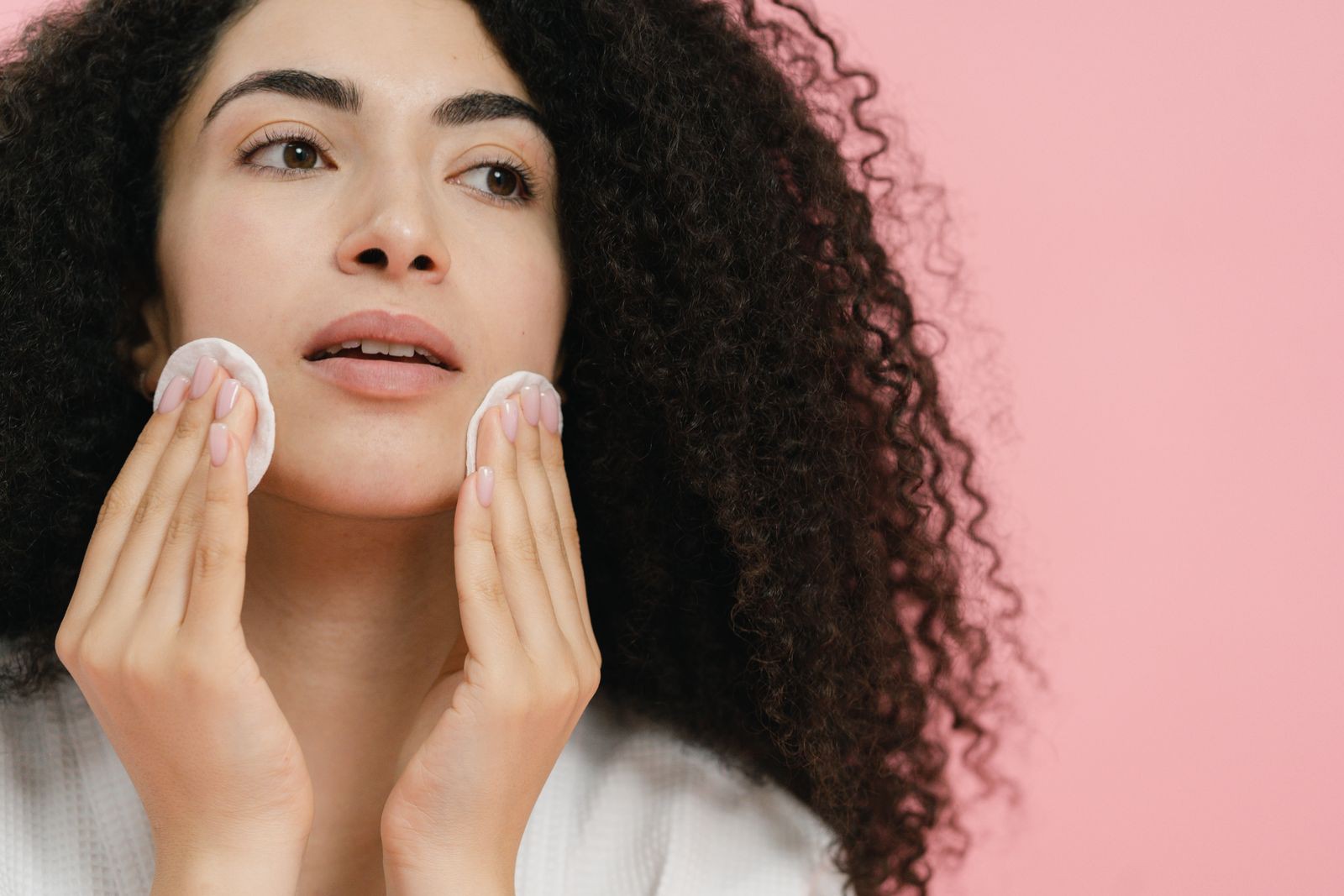
A few habits are worth keeping. Use the sheet for what it is meant for — facial cleansing, light makeup removal, baby care or general wiping — and do not expect it to disinfect a surface. Unless the pack says it is pre-moistened, dampen it with plain water or a suitable cleanser. And however convenient they are, most disposable tissues do not break down quickly in household plumbing; they belong in the bin.
Reading the back of the pack
Shopping gets easier with a short routine. Settle on the job first — face, baby, travel or household — then read the composition line. A declaration of "100% cotton" or "100% viscose" means something; "plant fibre" does not. Look for the standard number, GB/T 40276-2021 for soft tissues and GB 15979 for hygiene. Weigh the practical details — basis weight, sheet size, count, linting, wet strength — against how you will actually use it. For sensitive skin, testing a small area before buying a full pack is a sensible precaution.
Brands have responded. Clearly labelled 100 percent cotton ranges now sit alongside cheaper viscose and blended options, with dye- and fragrance-free versions, embossed sheets and compact travel formats. Clearer wording on the front of the pack — "cotton" versus "chemical fibre" — has itself become a selling point. For companies exporting these products it is a compliance question too: the fibre declaration and the claim chosen for the artwork decide how a shipment is described, and which rules apply when it arrives.
Disposable facial towels earn their place by offering a clean, soft sheet whenever one is needed. They cannot make a chemical fibre into cotton, and the difference is there on the back of the pack for anyone who cares to read it.



 إقتبس